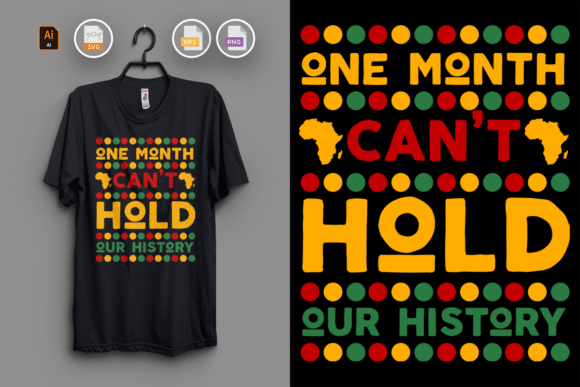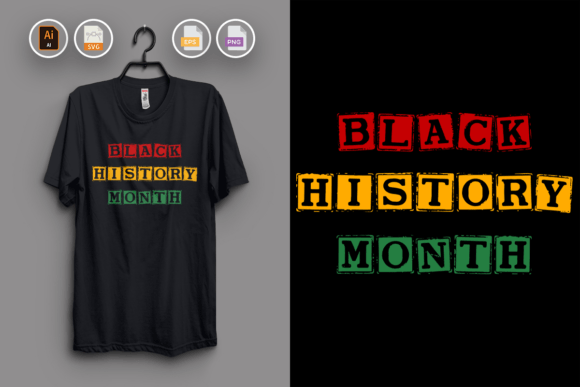
Reviewing Black History Month T-shirt Design Vol.5 for Stitchers
As an embroidery designer who has spent years translating digital art into thread, I approach every new machine embroidery design with a critical eye. It is not just about whether the image looks good on a screen; it is about how those shapes translate under the needle, how the fabric reacts, and ultimately, how the finished piece feels in the hand. Recently, I had the chance to evaluate Black History Month T-shirt Design Vol.5, and I want to share my practical insights for fellow crafters, Etsy sellers, and apparel decorators considering this asset for their next project.
First Impressions: Mood and Visual Personality
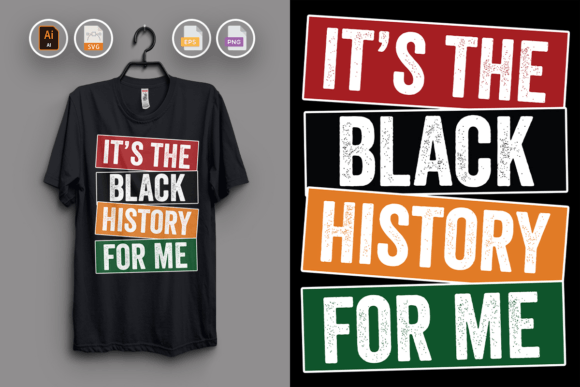
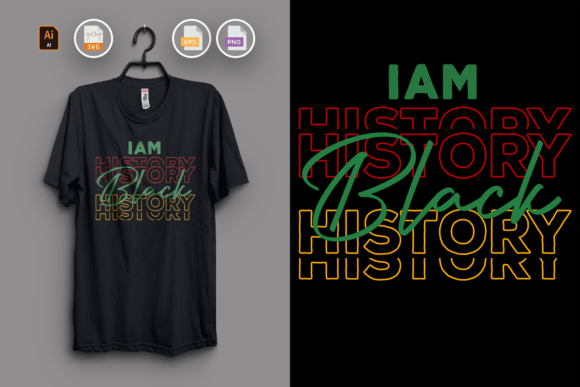
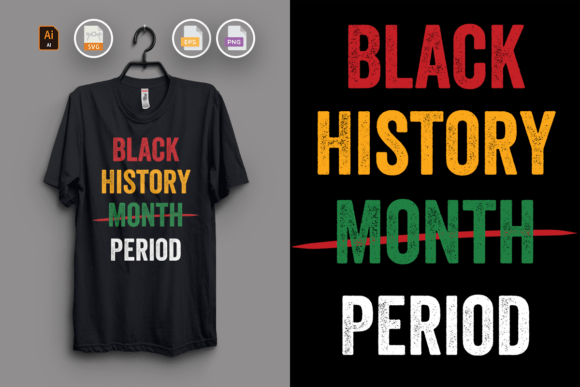
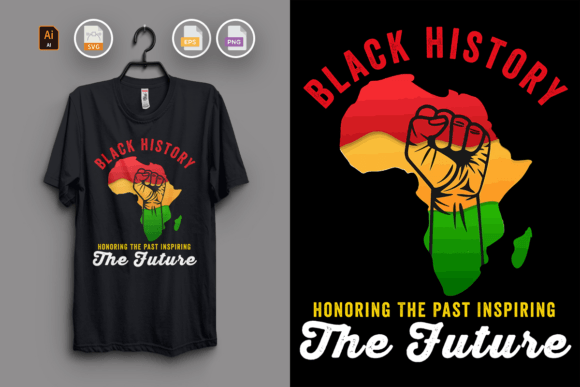
The first thing that strikes you about Black History Month T-shirt Design Vol.5 is its respectful yet bold visual personality. This is not a generic clip-art style graphic; it carries a weight and dignity appropriate for the subject matter. The layout is balanced, avoiding the cluttered look that often plagues commemorative designs. For those of us working in T-Shirt Designs and broader Graphics, finding a balance between artistic expression and technical stitchability is crucial.
The mood created here is one of celebration and remembrance. The lines are clean, suggesting that the digitizer paid attention to flow. When I visualize this on a garment, I do not see a stiff, plastic-like patch of thread. Instead, I see a design that breathes. This is essential for customer trust. Buyers of handmade products can spot a poorly digitized file from a mile away. A design that respects the history it represents must also respect the craft of embroidery.
Real-World Application: Beyond the T-Shirt
While the title specifies this as a t-shirt design, my experience tells me that versatile embroidery files should not be limited to one substrate. I tested the concept mentally against several real-life scenarios. Imagine this design stitched onto a heavy-weight cotton tote bag. The structure of the bag would support the stitch density well, making it a perfect item for a boutique shop or a community event.
Consider also the potential for sweatshirt embroidery. A crewneck sweatshirt provides a stable, thick canvas that allows for richer thread colors without the risk of puckering that you might face with thinner materials. For Etsy sellers looking to expand their craft business inventory, this design could easily be adapted for aprons, pillow covers, or even high-quality tea towels. The key is matching the design’s scale to the product’s purpose. A large, statement piece works beautifully on a back panel, while a scaled-down version could serve as a subtle chest emblem on a cap or a baby onesie.
Technical Considerations for Stitching
Before you load this into your machine, there are critical steps to take. The product description advises making a duplicate copy to work with, keeping the original file intact. This is sound advice. As a reviewer, I always recommend testing any new digital embroidery file on scrap fabric first. This allows you to check thread color contrast and review stitch density without risking your final garment.
Pay close attention to the transition between satin stitch borders and fill stitch areas. If the design includes fine details or tiny lettering, ensure your machine can handle the resolution. On textured fabrics, some details may get lost, so choosing the right thread weight is vital. For dark fabrics, consider using a lighter underlay or adjusting your thread colors to ensure the design pops. Conversely, on light fabrics, ensure that the fill stitches are dense enough to prevent the fabric from showing through, which can look unprofessional.
Navigating Fabric and Hoop Constraints
One of the most common mistakes I see in commercial embroidery is ignoring the limitations of the hoop size and fabric type. Black History Month T-shirt Design Vol.5 needs to be evaluated based on your specific machine capabilities. If you are working with a small hoop, you may need to resize the design. However, resizing can alter stitch density. Enlarging a design too much can leave gaps between stitches, while shrinking it can cause thread breaks and bird nests.
Be particularly careful with stretchy fabrics like jersey knits used in t-shirts. Without proper stabilizer, the design will pucker and distort after washing. I recommend using a cut-away stabilizer for garments that will undergo frequent laundering, such as custom apparel intended for daily wear. For items like caps or curved surfaces, the placement becomes even more critical. The design must sit flat against the curve; otherwise, parts of the image may lift or distort visually.
Enhancing Product Value and Brand Consistency
For small shop owners and creative entrepreneurs, the quality of your design assets directly impacts your brand consistency. Using a well-digitized file like Black History Month T-shirt Design Vol.5 signals professionalism. It shows that you care about the durability and aesthetic of your handmade product. When customers receive a personalized gift or a piece of custom apparel that looks crisp and feels soft, they are more likely to return and recommend your shop.
This design can also be a powerful tool for buyer engagement. Use it in your printable mockup previews to show potential clients how the design looks on different colors and garments. High-quality visuals help customers visualize the finished product, reducing hesitation and increasing conversion rates. Whether you are creating holiday gifts, nursery decor, or boutique branding items, the clarity of the stitching contributes to the perceived value.
Final Designer Notes
As you prepare to use Black History Month T-shirt Design Vol.5, keep these practical tips in mind:
- Always test on scrap fabric similar to your final material to check for puckering or thread breaks.
- Verify the license terms before selling finished items or digital products. Ensure you have the right to use the design for commercial purposes.
- Check if the design includes applique elements. If so, ensure you have the correct fabric scraps ready for the placement step.
- Inspect small details closely. If there are tiny corners or intricate lines, consider simplifying them or using a finer needle to maintain clarity.
- Compare how the design looks in black and white mockups to ensure the contrast holds up even without color.
In conclusion, Black History Month T-shirt Design Vol.5 offers a solid foundation for meaningful embroidery projects. It respects the theme, offers versatility across various T-Shirt Designs and other apparel, and, when handled with technical care, can elevate your small shop product lineup. By focusing on proper stabilization, thread selection, and testing, you can transform this digital file into a tangible piece of art that honors history and showcases your skill as a maker.